Fitness and Stretching for Bodyboarding

December 29, 2025

Why Fitness and Stretching Matter for Every Bodyboarder

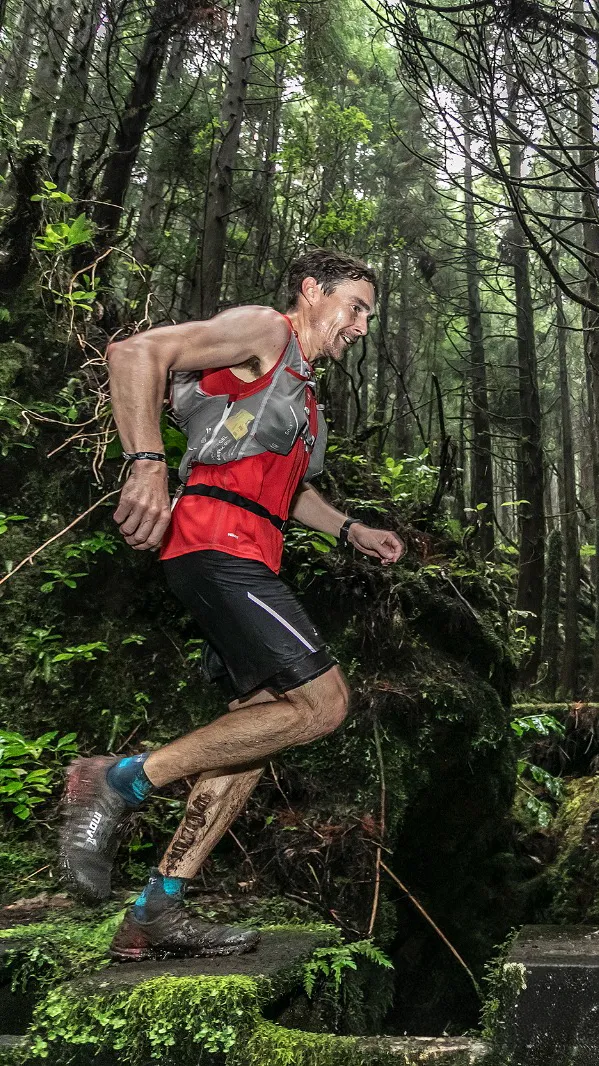
Mave Running
Mave Davies, our resident fitness freak.

We asked Matt ‘Mave’ Davies, our Bodyboard Holidays Portugal, El Salvador and Secret Morocco Trip Leader, to take a deep dive in to fitness and stretching for bodyboarding. After 30 years on the sponge and to our knowledge, holding one of the highest levels of fitness of any bodyboarder (certainly the fittest member of our team!) he was the natural man for the job. There are lots of amazing stories of his incredible physical feats, but our favourite recent story was how he surfed to victory in the Portuguese National Tour Drop Knee event, then celebrated by driving home, hanging up his wetsuit, pulling on his trail running shoes and going for a 15 mile run! We asked him to tell us a bit about his fitness regime: “In addition to my bodyboarding, I’m a keen trail runner, mostly drawn to longer distances from 50 to 100 miles. Along the way I’ve been fortunate to pick up a number of podium finishes at regional and national level, with a fifth place at the Madeira Island Ultra Trail, standing out as a personal highlight internationally.”

Mave continues “I like to keep things simple and consistent. Every morning starts with 30–45 mins of a mix of yoga, mobility, strength & conditioning, and more recently Dynamic Neuromuscular Stabilisation – I find little and often works best for me. I usually run five or six mornings a week and try to surf every day if conditions allow, even if it’s only for a power hour at lunch time.”

Davies concludes “I follow a plant based diet because it suits me. And since buying a smallholding in Portugal, I’ve found chopping logs, chasing escaped animals and planting trees etc, feels like a modern day CrossFit.”

Bodyboarders new awakening to fitness training

For much of its history, bodyboarding wore its counter-culture identity with pride. Born in heavy shore breaks and slabs, and shaped by attitude rather than structure, it was a discipline where talent, wave knowledge, and commitment mattered far more than fame and formal training. Fitness routines and stretching were rarely discussed; more often mocked, or dismissed entirely as something for mainstream sports, with time in the water seen as the only preparation that mattered. (If you you’re not well read on bodyboarding’s rebellious past, be sure to watch Simon Bruncke’s Holding On).

Over the past two decades, however, bodyboarding has undergone a quiet but significant evolution. As performance levels have increased and manoeuvres have become more explosive, bodyboarders have begun to recognise the physical demands and risks the sport places on the body. Stretching, strength and conditioning, mobility work, nutrition, and even sports psychology are now standard by all the top bodyboarders not only to gain a competitive edge, but to prevent injury, extend careers, and keep themselves healthy enough to perform at their best when it matters most.

Today, even multiple world champions like Pierre Louis Costes, Amaury Lavernhe, Jeff Hubbard, and Mike Stewart openly share their fitness regimes on social media, from mobility work and strength training to yoga, diet and even meditation, all clear evidence of how bodyboarding has evolved into a truly athletic discipline.
While this shift toward structured preparation is often associated with professional bodyboarders on the IBC Bodyboarding World Tour, its benefits are by no means limited to the elite. The physical demands of bodyboarding don’t change based on sponsorship status, and neither does the risk of injury. Whether you’re a weekend warrior squeezing sessions between work, a daily shredder chasing every swell, or someone falling back in love with the sport while battling a creeping dad bod, regular stretching and conditioning should be part of your weekly routine. These habits don’t just improve performance, they help you recover faster, stay in the water longer, and keep bodyboarding fun and sustainable for years to come.

And so it comes as no surprise that on our Bodyboard Holidays, the guests who stay in the water longest and catch the most waves are, regardless of age, those who consciously look after their health and fitness out of the water.

So, in today’s article, we’ll dive deeper into why physical preparation matters for bodyboarders of all levels and ages, highlighting both the benefits of training and the consequences of neglecting it. Along the way, we’ll also hear the perspectives of some of the world’s best bodyboarders, who share how fitness, stretching, and diet play a role in their performance. 

What’s more, we’ll explore practical ways to fit stretching and conditioning into busy schedules, making it realistic and sustainable rather than another forgotten routine. Finally, we’ll break down what work is best done at home versus what can be easily incorporated at the beach.

Preventing Common Bodyboarding Injuries with Fitness and Stretching

Fitness and stretching are essential for injury prevention in all sports and bodyboarding is no different. The sport’s repetitive paddling, powerful leg kicks, sudden compressions, and heavy wipeouts place significant stress on the shoulders, lower back, hips, and knees (especially if you dropknee). Without proper bodyboarding fitness, riders are at higher risk of injuries such as rotator cuff strains from repetitive paddling or lower back pain and disc irritation caused by prolonged prone positions and high-impact landings.

Regular stretching helps maintain flexibility and range of motion, while targeted strength training and mobility work improve joint stability and the body’s ability to absorb impact. Together, they reduce injury risk, improve performance, and keep riders in the water rather than sidelined on the beach.

At Bodyboard Holidays, we’re fortunate to have injury prevention and performance built into our team. Brendan Moore, bodyboarder, personal trainer, and founder of Moore Movement, works closely with our coaches on mobility, strength, and recovery, while Keren Cooksey has supplied us with fantastic yoga advice, as she is herself a bodyboarder and understands the need to maintain flexibility (see her excellent video below). Together, Brendan and Keren are on hand to help our team or coaches physically prepare for our international bodyboard camps and coaching weekends, ensuring we arrive strong, mobile, and ready for action.

What are the Pros doing when it comes to Fitness and Stretching

In competitive bodyboarding, small advantages can make a big difference. With performance levels higher than ever, many of the world’s best riders now treat fitness, stretching, and recovery as essential parts of their preparation. So what are the pros actually doing when it comes to their training routines?

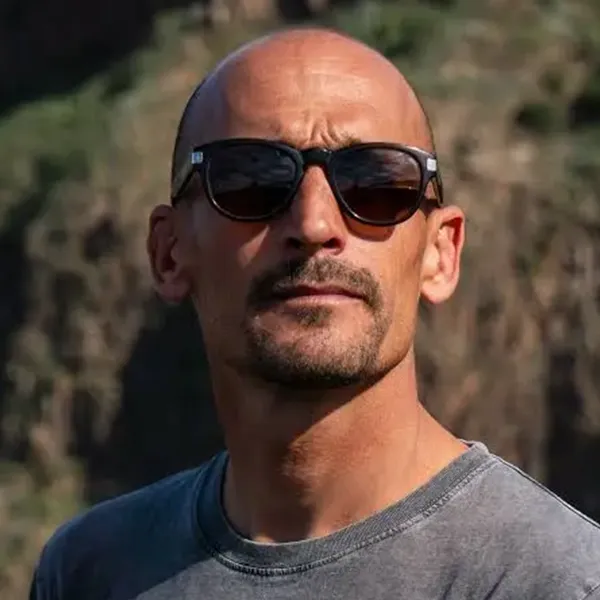
Amaury LavernheAmaury Lavernhe – Two-Time World Champion
Two-time World Champion Amaury Lavernhe, whose name has become synonymous with health and fitness in bodyboarding, spoke about his approach to training and nutrition on The Reale Deal Show #56. When asked about his daily routine, he explained:

“If you are talking about nutrition, the base is cooking myself …you’re controlling the ingredients, the sugar, the salt, that on the long term plan makes a big difference… you can really see the impacts physically and mentally You are what you eat!”

Lavernhe also highlighted the importance of balance over brute intensity in training:

“Fitness, I used to be on an intense cross fit program with weights …today, I like try to find consistency, it’s not about the intensity, it’s about everyday doing something …I am feeling good with my weight and so I don’t want to get more muscle, I mean in bodyboarding you really have to find this balance between being strong, but you have to be flexible and have to get good cardio, it’s not an easy balance to find. If you’re getting too strong, you’re losing flexibility …if you’re not strong enough, maybe you get injured.”
Jeff HubbardJeff Hubbard – World Champion and Aerial Pioneer
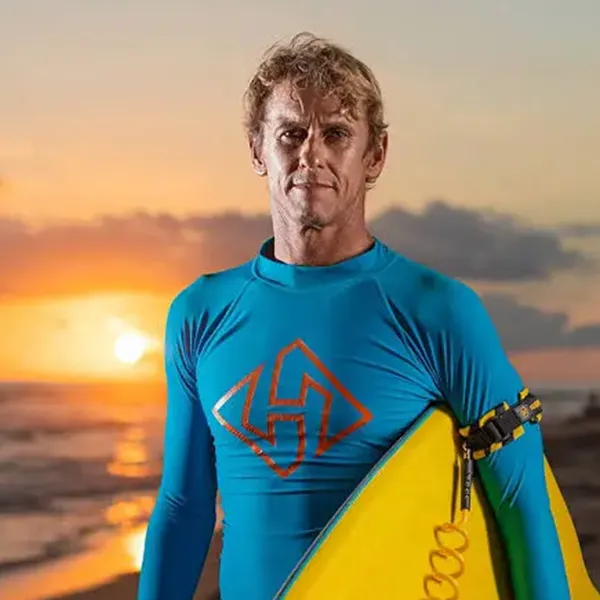
Jeff Hubbard, 2012 World Champion, aerial innovator, and widely regarded as one of the most flexible bodyboarders in the world, has maintained a daily stretching routine for more than three decades. He shared with us:

“Once I’ve had breakfast and fed the kids, I’ll get down and do a stretch routine going through a nice deep long stretch session while watching the kids, I’ll try to open up the whole gambit of all the muscles .. a full yoga routine that I have going on, and then I’ll work in some core work as well, try and get in some sit ups, crunches, push ups etc. It’s important to have a good balance between stretching and strength training.”

Join Jeff in Secret Morocco or at Lost Shore.
Mike StewartMike Stewart – Nine-Time World Champion
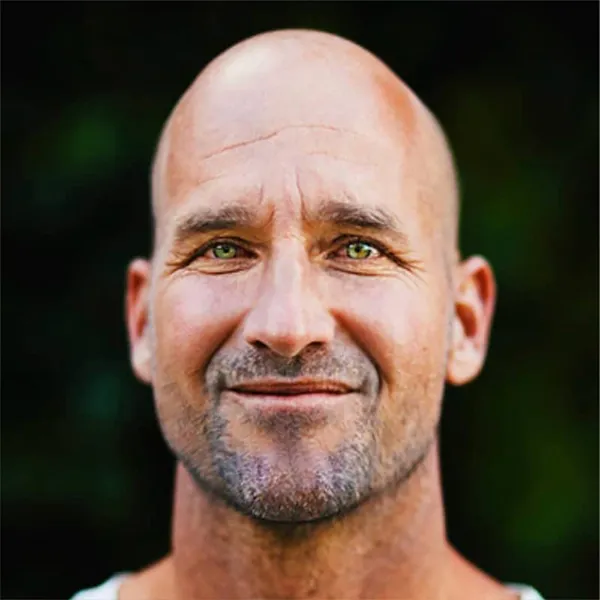
Nine-time World Champion Mike Stewart, one of the original pioneers of modern bodyboarding, has followed the Paul Chek Method for over 15 years. This holistic approach focuses on the connection between body, mind, and lifestyle, built around six core principles: nutrition, hydration, sleep, breathing, thinking, and movement.

In the podcast Riding Waves, Chasing Presence, Stewart explained how he began prioritising his physical and mental health:

“I hit that 40 year old mark and was working really hard, my lifestyle was pretty crappy and there was really a fork in the road in life for me. At the time my partner was like telling me ‘you gotta get in shape’, because I was staying up really late, like trying to get work done so I could pay the bills …and also recognising the fact that I wasn’t healing as fast, and wasn’t like doing good… I actually went to Maui, I don’t know if you remember that Maul contest but I went over there and won it, and I’m thinking shit if i really got my body in optimal shape, then what does that look like… so it was a combination of these things”
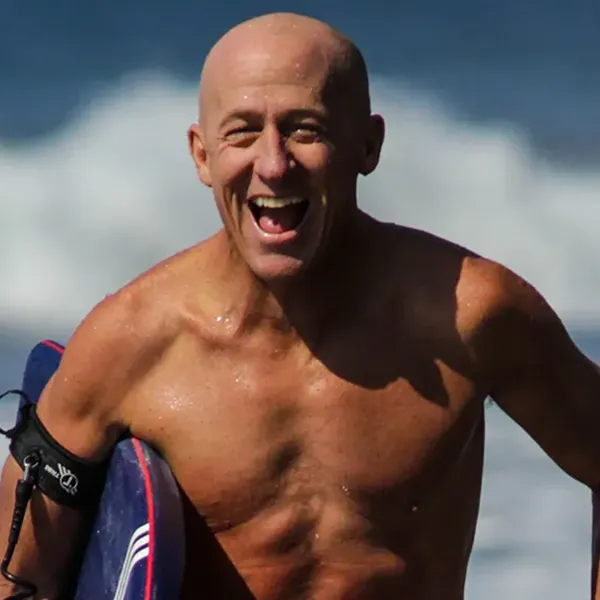
Jay RealeJay Reale – Discipline and Longevity
Former professional bodyboarder, eBodyboarding founder, and widely regarded as one of the most disciplined athletes in the sport, Jay Reale continues to perform at a high level well beyond his competitive years. His routine reflects that commitment:

“I’m up at 4.30 am with a light breakfast (normally a banana), then 40 minutes on the treadmill at varying pace and incline, which is followed by 15 minutes of stretching, 30 minutes of strength and conditioning and a coffee with collagen peptides. Then I head to the beach for a 90 minute surf before work but hiking in hills if surf sucks …I try to eat balanced meals but no special diet. As I’ve gotten older, I’ve reduced my cardio and added more stretching and strength training as muscle mass and flexibility are harder to retain as you get older.”

Join Jay in Costa Rica or El Salvador.

Rob BarberRob Barber – Injury Prevention Through Strength
Rob Barber, Founder of Bodyboard Holidays and former UK and European Champion, experienced firsthand how targeted strength and conditioning can prevent long-term injury:

“Years of bodyboarding left me with a long-term back injury. Working with Brendan on strength and conditioning to build my core took about eight months and made a huge difference, the pain was significantly reduced. I’d strongly recommend any bodyboarder take a pre-emptive approach and include strength and conditioning to build core power and prevent injuries before they start.”

Join Rob in Costa Rica, El Salvador, Bali, Sumatra or Nusa Lembongan.

Iain CampbellIain Campbell, 2017 world champion and Bodyboard Holidays coach
Iain Campbell, 2017 World Bodyboarding Champion and Bodyboard Holidays coach, places strong emphasis on fitness, recovery, and preparation as part of his ongoing approach to performance and longevity in the sport. 

“I find that cardio like swimming is the best thing for me to stay fit and keep my fitness good. I do a bit of stretching post surf. Focus a lot more on warm up pre surf and using a roller or ball to get any muscle pains sorted post surf. And then some weight training and functional training are always good for staying strong and taking the abuse of big moves and heavier waves.”

Join Iain in Nusa Lembongan or The Wave.

Preparing at the Beach: Warm-Up, Hydration, and Nutrition

Pre-Surf Warm-Up

A proper warm-up is essential before hitting the waves. It increases blood flow, loosens muscles, and prepares joints for the dynamic movements of bodyboarding. Simple dynamic stretches, leg swings, arm circles, and torso rotations help activate key muscle groups. Take the time to slow your breathing and focus on deep, controlled breaths, this not only oxygenates your muscles but also calms the mind, improving focus, reaction times, and overall performance once you’re in the surf.

Hydration Tips

Staying hydrated is critical for both performance and endurance in the water. Drinking sufficient water before your session helps muscles function optimally and reduces the risk of early fatigue or cramps. Even mild dehydration can impair strength, coordination, and mental focus, making hydration a priority before and during your time in the surf.

As a general guideline, drinking 1–2 litres of water per day is enough to maintain baseline hydration, but in hot or tropical climates, your needs increase. Electrolytes such as sodium, potassium, magnesium, and calcium are essential for nerve signalling and muscle contraction, and imbalances can increase the risk of cramping and fatigue. Adding isotonic or hydration tablets can help replace these losses, or like we do on our Costa Rica bodyboard trips, drink fresh coconut water straight from the palm, a natural and effective source of key electrolytes to keep you performing at your best.

Optimal Pre-Surf Nutrition

Fueling your body correctly can make a noticeable difference in energy levels and stamina. Eat light but carbohydrate-rich foods before a session, such as oatmeal, fruit, or whole-grain toast, to provide long-lasting energy. Foods high in potassium, like bananas or sweet potatoes, can help reduce the risk of muscle cramps. Avoid heavy, greasy meals that can weigh you down or cause discomfort while paddling. And of course, that ‘just one more beer’ the night before is going to come back to haunt you in the surf.

When travelling or planning a long, marathon session, energy gels can be a convenient and effective way to top up carbohydrates quickly and keep energy levels high. Visiting countries like Costa Rica , El Salvador and Indonesia we are lucky to have fresh local food readily available after a surf, as you can see below.

Post-Surf Cool-Down

After finishing in the water, a simple cool-down routine is essential to support recovery and maintain mobility. Gentle stretching of the shoulders, lower back, hips, and legs helps reduce muscle stiffness, improve flexibility, and promote blood circulation for faster recovery. Incorporating a short walk along the beach or light mobility exercises can also aid in preventing soreness for your next session.

Home Training for Bodyboarding: Building a Routine

Preparation for bodyboarding doesn’t stop at the beach, what you do at home can make a huge difference in strength, mobility, and overall performance. The key is building a training schedule that works for you. For some, that might mean short, focused sessions of 10–15 minutes a day, while others prefer one longer 90-minute session per week. What matters most is consistency and choosing a routine that fits your lifestyle so it becomes sustainable. Keep sessions short but regular, track your workouts in a notebook or app to build momentum, and focus on proper form over quantity, quality movement not only improves performance but also reduces injury risk.

To stay on track, consider finding an instructor or coach, either in person or online, to guide your practice and ensure correct technique. Explore different styles of training to see what suits you best: yoga, mobility exercises, Dynamic Neuromuscular Stabilization (DNS), Pilates, or bodyweight strength routines can all improve flexibility, core stability, and overall functional fitness for bodyboarding. Mixing it up, will also help prevent burnout and keep training enjoyable over the long term.

Like Bodyboard Holidays’ coach Brendan Moore, a growing number of former professional bodyboarders have transitioned into fitness and movement coaching, bringing firsthand surf knowledge into their training methods. Jake Stone of Corrective Culture, an ex-professional bodyboarder, focuses on helping athletes move better, feel stronger, and perform pain-free, while Australian dropknee specialist Justin Welsh, founder of Corrective Movement, specialises in Dynamic Neuromuscular Stabilisation (DNS)—an innovative approach to restoring natural movement patterns. Both are as passionate about their coaching as they are about their bodyboarding, and excel at tailoring bodyboarding-specific fitness and mobility programmes that directly translate to better performance in the water.

And finally, pair your training with a healthy, balanced diet and proper hydration to support energy levels, muscle repair, and mental clarity. By committing to a consistent home routine and fueling your body correctly, even outside the water, you set yourself up for better endurance, reduced injury risk, and more confident performances, whether it’s a single session or a long surf trip away.

Take Your Bodyboarding to the Next Level

Bodyboarding isn’t just about catching waves, it’s about preparation, consistency, and caring for your body both in and out of the water. By focusing on fitness, stretching, nutrition, hydration, and mental preparation, you can improve performance, reduce injury risk, and enjoy longer, stronger surf sessions. Here’s a quick recap of what you can do to level up your bodyboarding game:

  1. Warm-Up and Cool-Down at the Beach: Increase blood flow, loosen muscles, and support recovery.
  2. Hydrate and Fuel Your Body: Drink enough water and eat light, carb-rich foods to sustain energy and prevent cramps.
  3. Home Training: Build a routine that fits your lifestyle, targeting shoulders, core, hips, and legs with strength, mobility, and yoga or Pilates.
  4. Consistency is Key: Track progress, stick to a schedule, and mix up routines to stay motivated.
  5. Mental Preparation: Focused breathing and sports psychology can improve performance.


Ready to put your fitness, stretching, and surfing skills to the test? Join us on one of our bodyboard coaching holidays to ride world-class waves while receiving expert coaching, tailored fitness guidance, and practical bodyboarding tips.

Matthew Davies

Author

Mave Davies

Trip Leader
Matt, Mave to his friends, has been bodyboarding since he was 15 years old – now with over 30 years of bodyboarding under his belt it’s shaped his life in amazing ways and taken him all over the world. Mave has been living in Portugal for 15 years now, drawn to the impeccable waves, the climate and the culture. He speaks fluent Portuguese and knows all the secret spots to share with the bodyboard holiday trippers! Mave has been working with Bodyboard Holidays for 10-15 years and is a highlight of the trip for guests and staff alike, he loves to meet great people and make new friends to share his passion for bodyboarding with.

Author Social

Destinations

7 NIGHTS

 / 

£3599

Tavarua

7 NIGHTS

 / 

£1849

Bali

7 NIGHTS

 / 

£1839

El Salvador

8 NIGHTS

 / 

£2099

Southern Sumatra

7 NIGHTS

 / 

£3199

Women’s Bodyboard & Surf Holiday Nicaragua

7 NIGHTS

 / 

£1699

Portugal

23 NIGHTS

 / 

£6437

Nicaragua, El Salvador and Costa Rica

7 NIGHTS

 / 

£2399

Costa Rica

7 NIGHTS

 / 

£1499

Women’s Bodyboard Retreat

15 NIGHTS

 / 

£4038

Nicaragua and El Salvador

7 NIGHTS

 / 

£1999

Secret Morocco

7 NIGHTS

 / 

£1900

Women’s Bodyboard Retreat Secret Morocco

7 NIGHTS

 / 

£1999

Secret Morocco with Jeff Hubbard

7 NIGHTS

 / 

£2199

Nicaragua

8 NIGHTS

 / 

£2199

Nusa Lembongan

15 NIGHTS

 / 

£4439

Costa Rica and El Salvador

Related Articles

Blog
April 23, 2026

Top 6 Wavepools For Bodyboarders

Blog
March 24, 2026

Why Nicaragua Is My Favourite Bodyboarding Destination

Blog
February 10, 2026

The Ultimate Portugal Bodyboarding & Travel Guide

Blog
January 21, 2026

Rider Profile: Damian Prisk – UK Bodyboarding Legend

June 18

 – 

June 25 2026

Women’s Bodyboard Retreat Secret Morocco

Last Few Places...