
One of my own memories of Mike Stewart goes back to 2011, at the Sintra Pro in Portugal – a trip that reminded me what this sport produces at its highest level, and a country we still take riders to through our Portugal bodyboard trips. Back then, the end-of-event party had a bit of a reputation. After a week of competition, everyone would unwind properly. It was a big, raucous night, exactly what you’d expect when the world’s best riders finally switch off.
By the time I stumbled back to my tent on the beach at first light, I was in no state to even think about surfing. Out of habit, I glanced at the ocean anyway. It was small, a bit onshore, nothing special, and I felt quietly relieved I wasn’t missing out.
Then, just as I was zipping up the tent, I saw Mike jog down to the water, fins in hand, and paddle straight out into the crumbly surf at daybreak.
It was a small moment, but it stuck. Because it summed something up that’s easy to overlook when you focus only on titles and achievements: the consistency, the willingness to surf regardless of conditions, time, or circumstance. The fact that, after everything he’d already done in the sport, he was still the first one in the water.
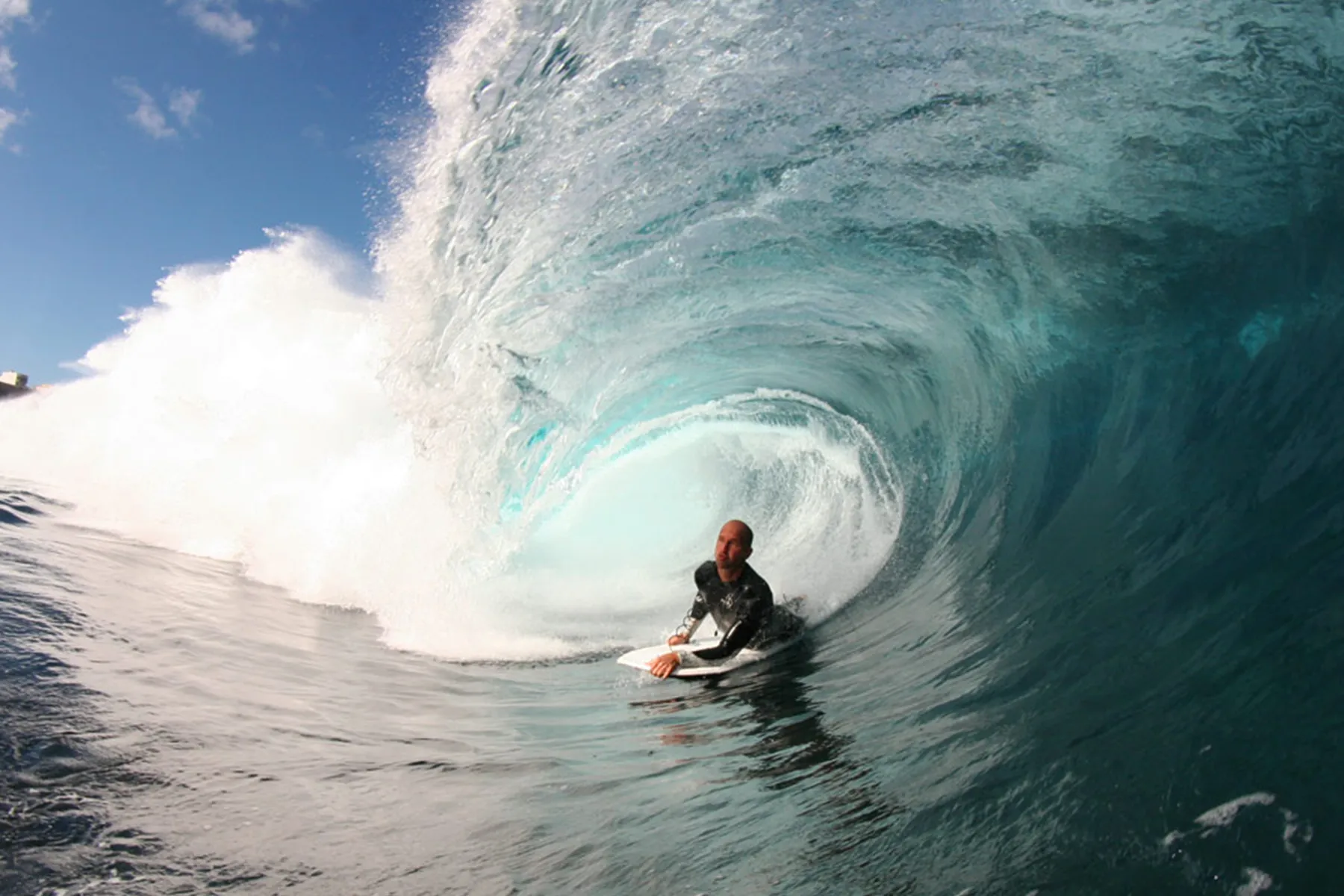
That, more than anything, explains how he’s managed to stay at the forefront of bodyboarding for so long. If you’ve ever watched someone thread a heavy barrel on a bodyboard and thought it looked almost too clean to be real, chances are you were seeing the influence of Mike Stewart, whether you realised it or not. The way waves are approached, the way manoeuvres are linked, and even the way boards are designed all carry traces of what he was doing decades ago.
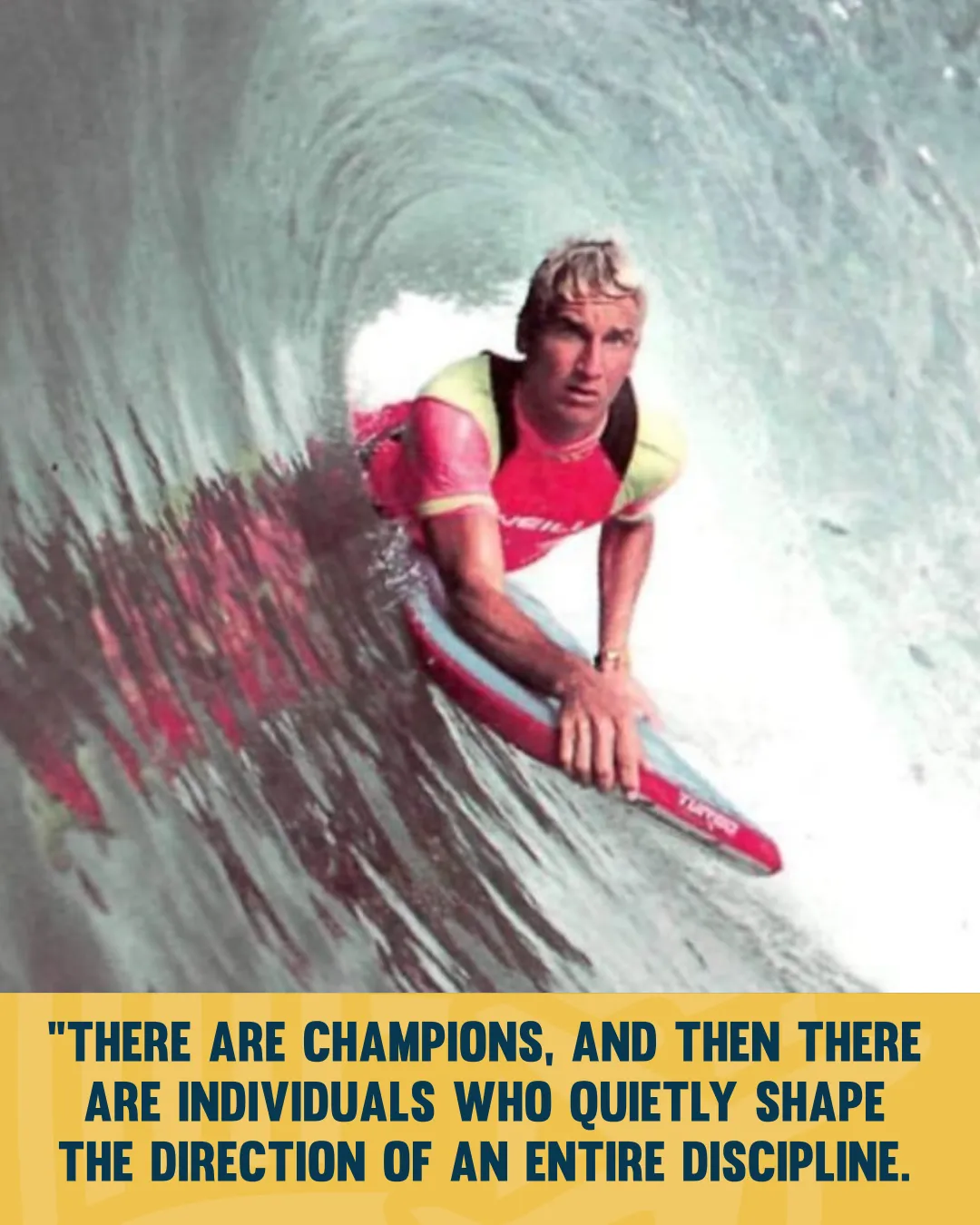
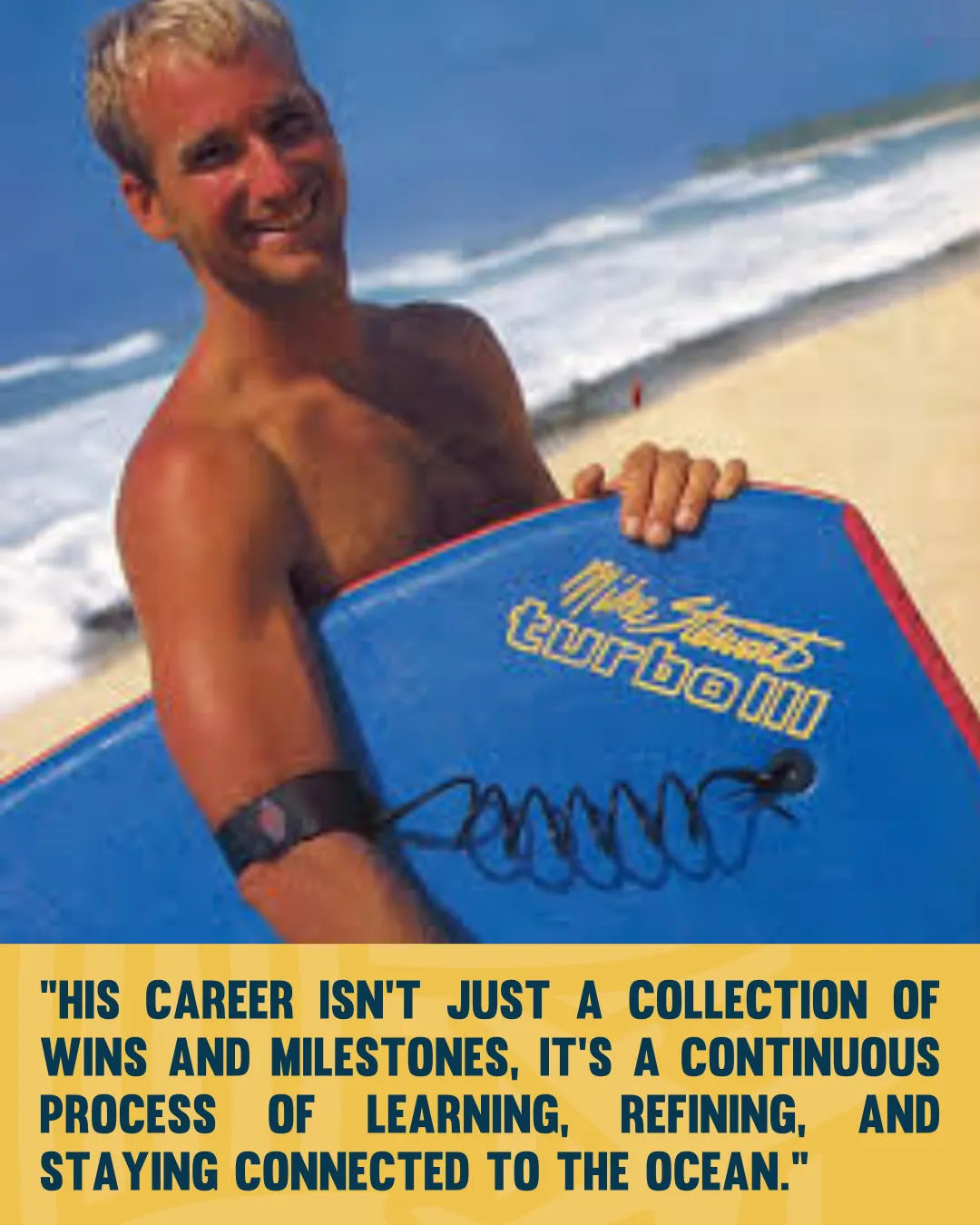
There are champions, and then there are individuals who quietly shape the direction of an entire discipline. Mike sits firmly in that second category. His career isn’t just a collection of wins and milestones – it’s a continuous process of learning, refining, and staying connected to the ocean.
 Mike Stewart’s Early Life: Growing Up on Oahu, Hawaii
 Mike Stewart’s Early Life: Growing Up on Oahu, Hawaii
Mike Stewart was born on 17 May 1963, on Oahu, Hawaii. It’s a place where the ocean sets the standard early. Waves are powerful, locals are unforgiving, conditions change quickly, and there’s an unspoken understanding that if you want to be out there, you need to learn properly.
His introduction to the ocean was simple. At five years old, he was riding pieces of polystyrene in windblown surf on the east side of the island. There was nothing technical about it, but that’s how most people start. You spend time in the water, and gradually things begin to make sense.
At ten, he got his first Morey Boogie kit board, and from that point on things became more focused. He surfed constantly, building familiarity through repetition rather than intention. By the time that board finally gave out, completely waterlogged and barely holding together, it had already done its job. It had built a level of comfort in the ocean that would carry through everything else.
How Mike Stewart Approached Heavy Waves From the Start
From early on, there was a clear direction to how Mike approached bodyboarding. He wasn’t drawn to easy conditions. Instead, he gravitated toward waves that demanded more attention – steeper faces, faster sections, and hollow slabs that required precision.
Bodyboarding, in that environment, made sense. It allowed him to get closer to the critical part of the wave and operate in tighter spaces. Rather than trying to mirror stand-up surfing, he leaned into what the board allowed him to do differently. That approach stayed with him. It became less about what a manoeuvre looked like and more about how it worked within the wave.
Early Lessons: What the Ocean Taught Mike Stewart
 Early Lessons: What the Ocean Taught Mike Stewart
Progression in the ocean rarely comes without setbacks, and Mike’s early years were no different. One of the more defining moments came when he was eleven, surfing at Rockpiles. A swell built quickly, pushing the surf beyond anything he had experienced before.
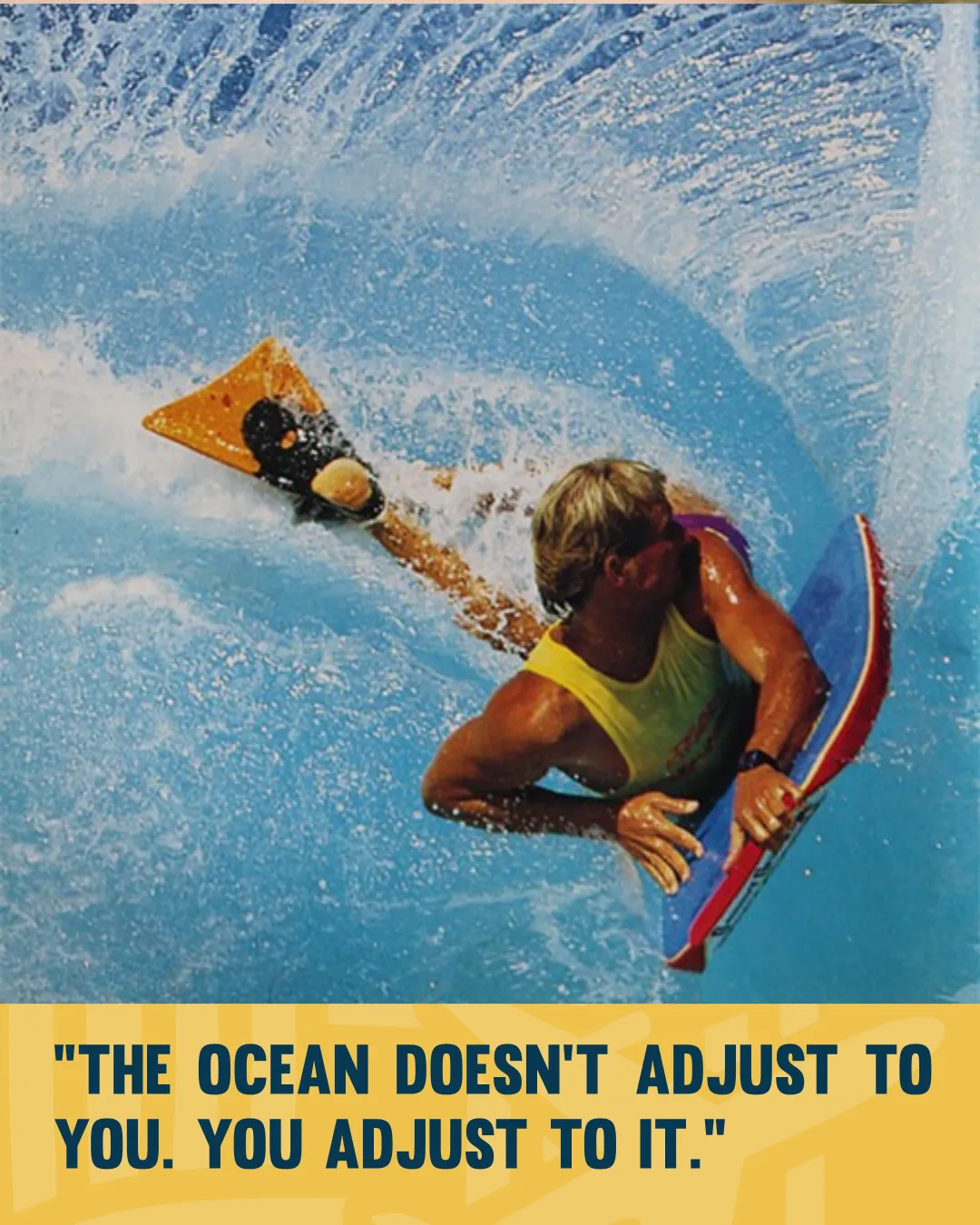
Without a leash and without the experience to manage those conditions, he lost his board, got caught inside, and had to be rescued by his older brother. It was a heavy lesson, but an important one. It reinforced the idea that the ocean doesn’t adjust to you. You adjust to it. That awareness stayed with him. It didn’t make him more cautious, but it made him more deliberate.
How Tom Morey Shaped Mike Stewart’s Approach to Bodyboard Design
At thirteen, Mike’s family moved to the Big Island, and that shift opened up a new phase in his development. The waves were less crowded, the environment more open, and there was space to experiment.
It was also where he connected with Tom Morey – the man who invented the bodyboard in 1971. That relationship added a completely new dimension to his surfing. Instead of just riding boards, he began to understand how they were made. Working in Morey’s workshop gave him hands-on experience with materials, construction, and design. It bridged the gap between equipment and performance, something that would define much of his later career.
At the same time, his surfing evolved. He began to experiment with manoeuvres that used the wave’s energy more effectively, developing a style that felt less reactive and more controlled.
How Mike Stewart Mastered Pipeline
By sixteen, Mike knew he needed to commit to Pipeline. It’s not a wave you ease into. It demands attention from the start.
His early sessions were intense. The lineup was heavy, the wave unpredictable, and everything felt like a step up. Instead of forcing it, he spent time watching, sitting in the channel, and trying to understand how the wave worked. Gradually, he moved closer to the peak and began catching waves. Over time, familiarity replaced hesitation. Pipeline became less of an unknown and more of a reference point – a place where everything could be tested and refined.
Mike Stewart’s First World Title and the Rise to the Top
When Mike began competing in the early 1980s, results came quickly. Within a short time, he moved from placing to winning, establishing himself as one of the top riders almost immediately.
The competitive scene was still developing, with different styles and approaches emerging. A rivalry with Ben Severson helped push things further, raising the level across the board. For Mike, competition was never just about results. It was a way to test ideas, refine techniques, and understand what worked under pressure.
Jay Reale, founder of eBodyboarding and former professional bodyboarder, remembers exactly how quickly Mike made an impact:
“I first met Mike in December of 1982. He had flown over to do the first Morey International event at Pipe and had really just come on the radar of the O’ahu guys who dominated the sport at the time. Mike put on a clinic in the event that year and took the win convincingly which blew everyone’s minds and put him on the map. I think for riders of my generation who were looking for cues on how to ride prone with style and precision, most of us looked to Mike as the model of perfection and he remained there for decades. To this day his influence ripples through the sport.”
Jay Reale, founder of eBodyboarding
The Gyroll, the El Rollo and How Mike Stewart Rewrote Bodyboarding Technique
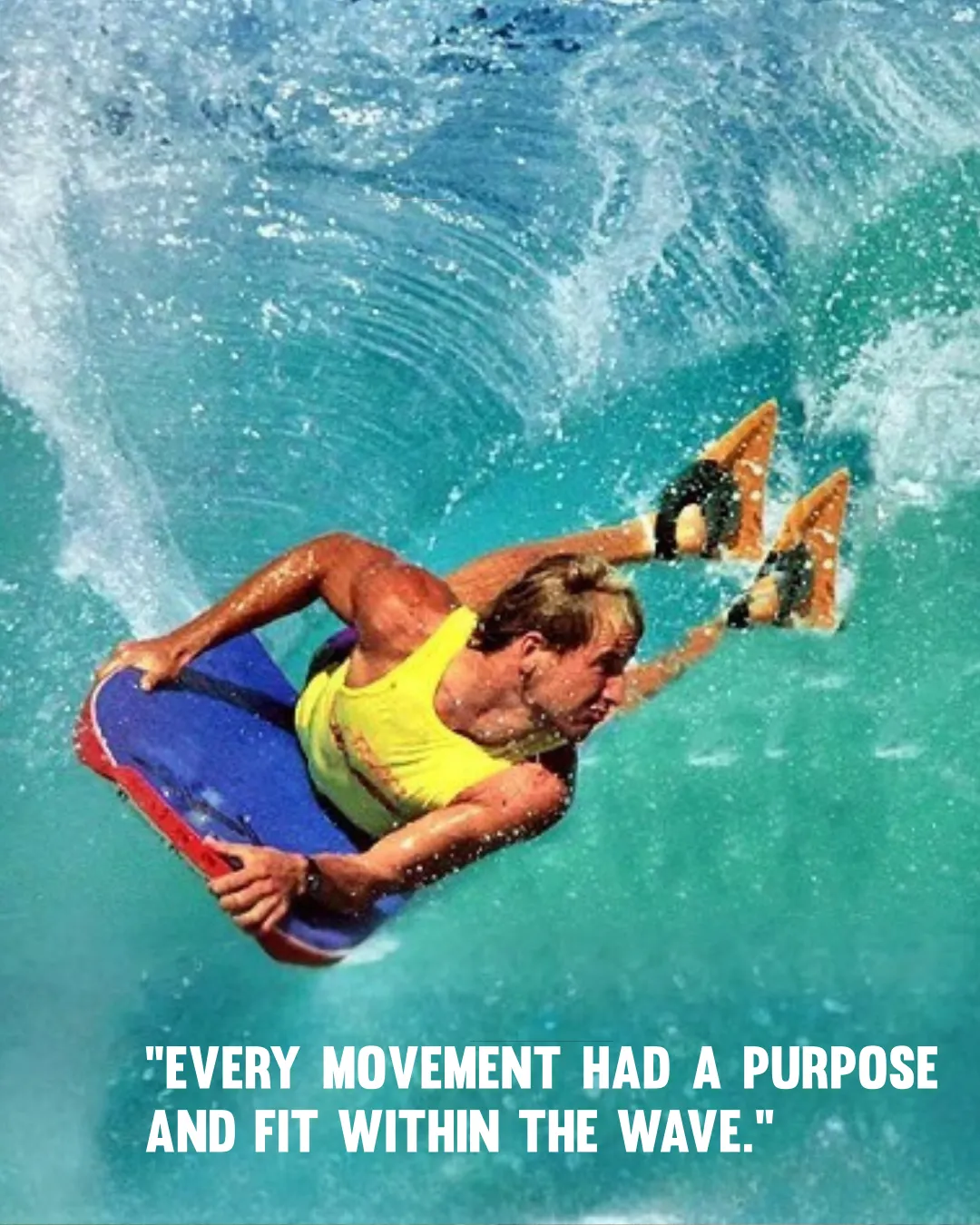
One of Mike’s biggest contributions has been how he approached manoeuvres. Instead of treating them as isolated tricks, he used the wave itself to generate speed and projection.
His approach to the el rollo changed everything. Rather than a quick rotation, it became something more dynamic – launched from the lip and integrated into the flow of the wave. From that came what we now recognise as the gyroll, something he was already experimenting with in the early 80s, along with a whole range of aerial combinations that pushed bodyboarding into a new space.
He wasn’t just adding tricks for the sake of it either. Take the air 360 that Mike developed in a way that made sense with the flow of the wave, landing clean and continuing down the line rather than ending the ride.
What stood out was the intent behind it. Every movement had a purpose and fit within the wave.
Years of Dominance: Nine World Titles
 Years of Dominance: Nine World Titles
From the mid-1980s through the 1990s, Mike Stewart became synonymous with bodyboarding excellence. As his results improved, so did his visibility. What started with support from local shops like Pacific Vibrations and Town & Country quickly grew into backing from major brands including O’Neill, Gotcha, Morey, and Turbo. At the same time, he began winning – consistently, and across the board.
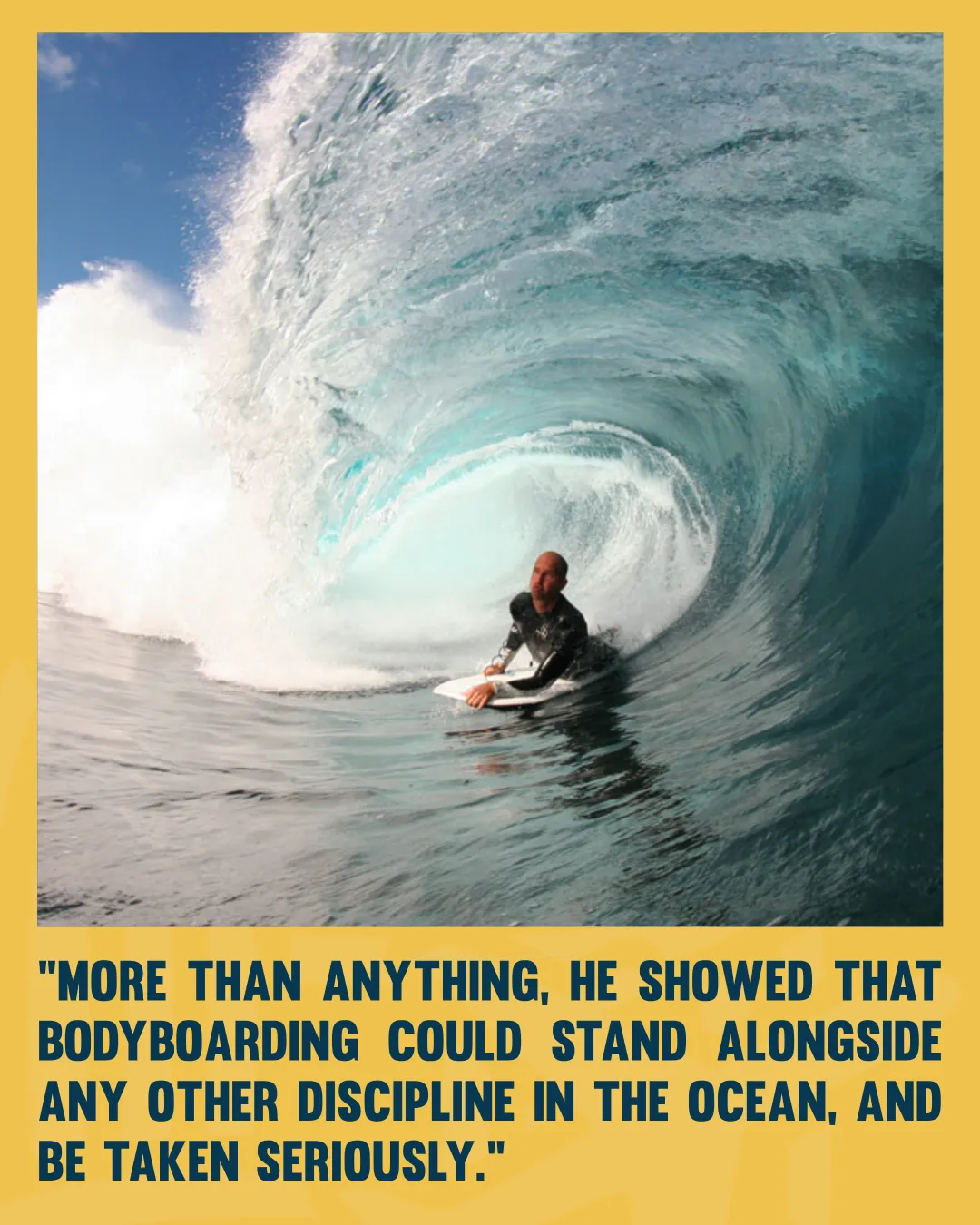
His first world title came in 1983, and he backed it up immediately in 1984. From there, the results kept coming: 1987 through to 1992, and again in 1994 – nine titles in total. Alongside those world titles, he was claiming national events, PSAA contests, and repeatedly proving himself at Pipeline, where he would go on to win 13 titles across bodyboarding and bodysurfing.
What made that run so significant wasn’t just the number of wins, but the consistency. Finals became expected. Winning in heavy conditions became normal. At Pipeline, one of the most demanding waves in the world, he combined precision, power, and flow in a way that made even the most challenging conditions look controlled.
Beyond scores and trophies, Mike’s dominance shifted how the sport was perceived. He became the figurehead of bodyboarding during its most visible period – a surf media favourite with a style that blended control, progression, and a deep understanding of waves. More than anything, he showed that bodyboarding could stand alongside any other discipline in the ocean, and be taken seriously.
Mike Stewart’s Influence on Damian Prisk, Iain Campbell and a Generation of Riders
 Mike Stewart’s Influence on Damian Prisk, Iain Campbell and a Generation of Riders
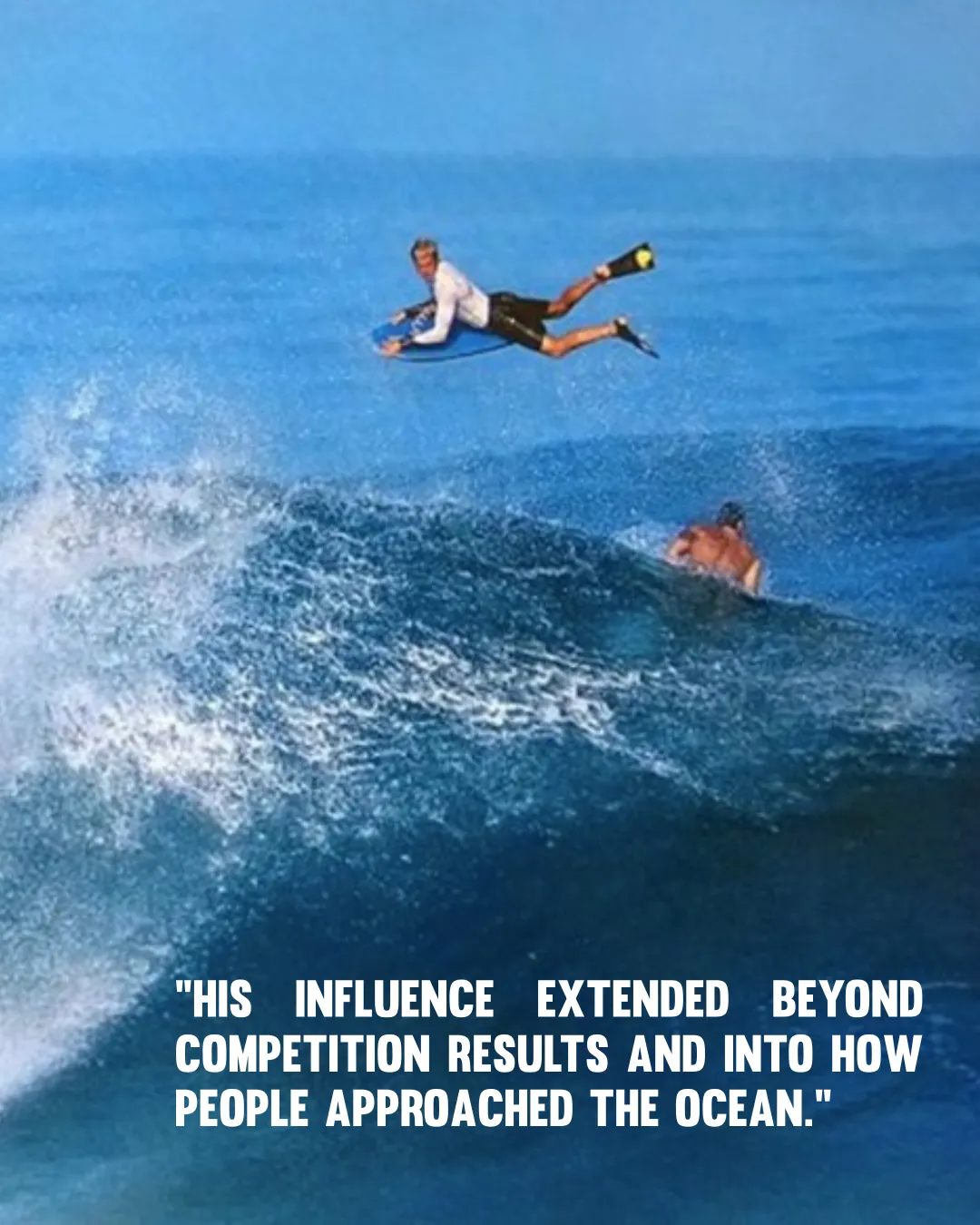
As his career evolved, Mike became a reference point for the next generation. His influence extended beyond competition results and into how people approached the ocean.
His focus remained on fundamentals. Positioning, timing, and flow came first, with everything else built on top. For many riders, that influence came through watching and studying his surfing rather than direct coaching.
Damian Prisk: Shaping a Style Around Mike Stewart’s Influence
Damian Prisk, Britain’s most decorated bodyboarder and head coach at Bodyboard Holidays, puts it like this:
“I’ve shaped my whole style of bodyboarding around Mike Stewart ever since I picked up a sponge in 1990. That was around the time Tom Boyle released Winter on the Rock in 1989 – one of the only bodyboard films around then. I basically studied that thing non-stop. Then along came Indonesian Experience, and again I was glued to it. Watching Mike shred G-Land and Padang Padang had such a massive influence on me. I still remember the first time I saw him in person – it was pumping Estagnots in Hossegor. I just remember sharing waves with Mike, watching how he duck-dived, paddled, and positioned himself. It left a lasting impression. Even now, I watch clips whenever they pop up. He continues to influence my riding to this day. He’s the original GOAT – complete inspiration. I can’t wait to see what he does next.”
Damian Prisk, head coach at Bodyboard Holidays
How Mike Stewart Is Still Competing in His Sixties
Remaining relevant into his sixties is rare in any sport, especially one as physically demanding as bodyboarding. Mike’s longevity isn’t accidental – it’s the result of adaptation, intelligence, and a willingness to evolve both in and out of the water.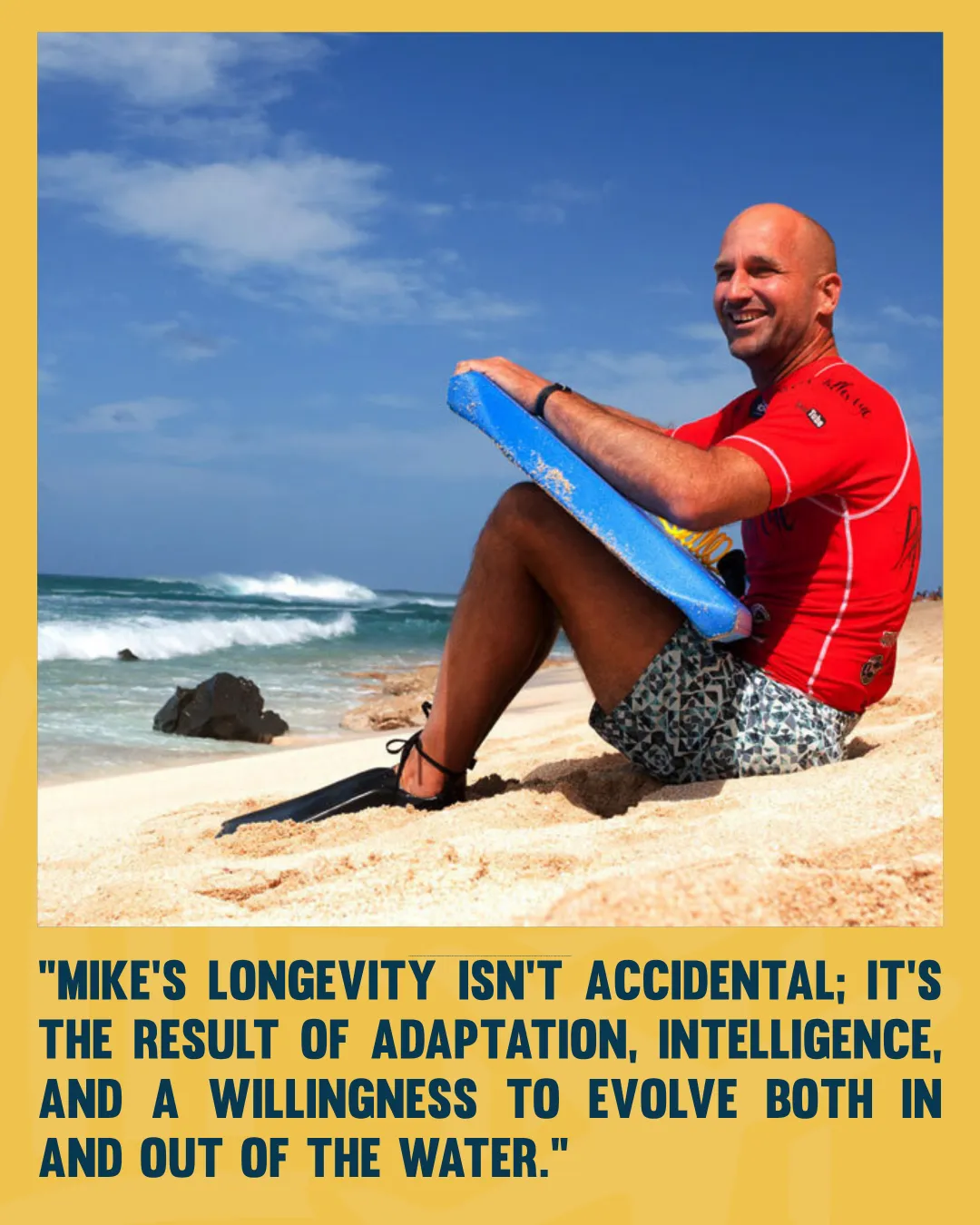
Physical Conditioning and Efficiency
Physically, he shifted his approach over the years. Where raw strength might carry a younger rider, Mike prioritised conditioning, mobility, and recovery, moving with efficiency rather than force. Experience and ocean knowledge allowed him to conserve energy while maximising performance, even in heavy conditions.
The Paul Chek Influence: A Holistic Approach to Performance
A significant influence on his mindset came from meeting performance specialist Paul Chek. In a wide-ranging conversation on Corrective Culture’s podcast, Mike discusses the importance of a holistic approach: surf-specific fitness, breathing mechanics, diet, functional strength, alignment, and mobility. These elements have helped him stay healthy, adaptive, and capable of performing at a high level far longer than most would expect.
Mike’s longevity shows that sustaining elite performance isn’t just about strength or youth. It’s about adapting smarter, learning continuously, and combining experience with preparation in ways that let a rider keep excelling long after many others have stepped away. Rob Barber captures this perfectly:
“Sitting in the darkness on the edge of the Javanese jungle, waiting for it to be light enough to see the lineup, I was wondering if, at my age, I was really doing the right thing. Am I still living a young man’s life? When perhaps it was time to move on? I knew there was plenty of swell forecast and it should be pumping at dawn. To see another figure in the darkness and then to realise it was Mike Stewart who was stood, also waiting for dawn to break was a cool moment. Chatting to him about how he was preparing for the Fronton comp, then after surfing with him, asking him about a technique he used where he was spreading his hand on the centre of the deck when he was getting barrelled was really cool and insightful. Then seeing him spin into a barrel, thread a beautiful line through the barrel and ride out over and over again was timeless. He’s still so relevant, so inspirational and doing things that are so hard to replicate. It’s great to follow his feed and see his ongoing travels. The Shark Island win was a defining moment in ‘the final third’ of his career. Breaking down barriers while people that I know of a similar age are basically decrepit. It means there is no excuse not to continue to bodyboard and also to continue to improve as the years go on. He’s as influential to me now age 49 as he was when I started bodyboarding age 11. Bizarre to write that sentence!”
Rob Barber, founder of Bodyboard Holidays
Mike Stewart at Teahupo’o 2025
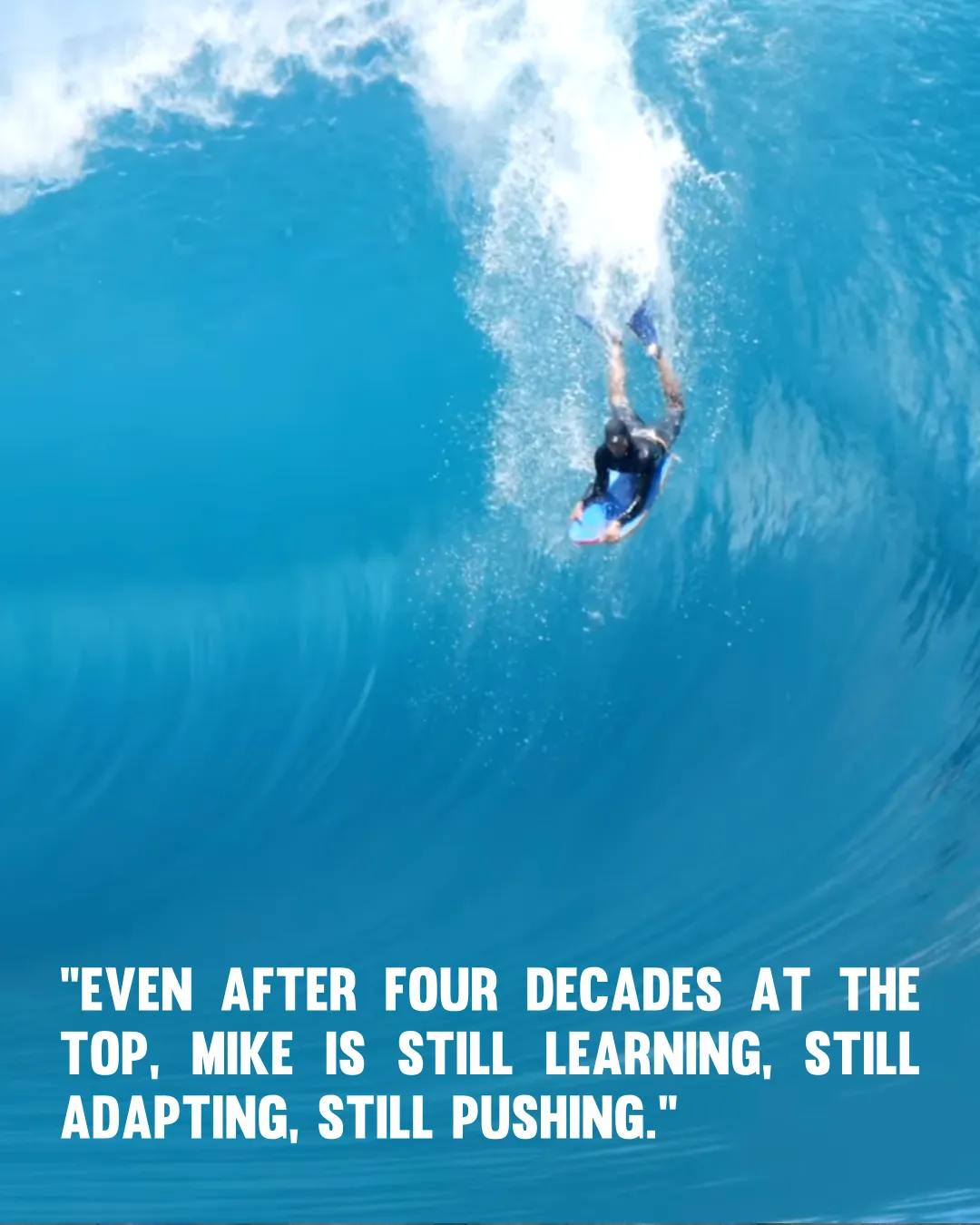 Mike Stewart at Teahupo’o 2025
Even after more than four decades at the forefront of bodyboarding, Mike Stewart shows no sign of slowing down. His approach to the ocean, his craft, and life in general is a masterclass in longevity, curiosity, and fearlessness.
Days after the internet erupted at the sight of a 62-year-old putting everything on the line at Tahiti’s most infamous reef, Mike took to social media to share what happened:
“Never had a board split down the middle like this,” he admitted, describing the aftermath of a full “eat shit and die” bomb at Teahupo’o.
Despite the deafening impact and the rib injuries that followed, what stood out most was his reflection: he’d actually made some incredible waves that day thanks to a new technique he had been experimenting with. Even after four decades at the top, Mike is still learning, still adapting, still pushing.
Watching him tackle challenges like this makes you wonder: what are the secrets to such longevity? Part of it is undoubtedly physical conditioning and relentless training. But just as important is his mindset – the willingness to experiment, the humility to learn, and the courage to embrace risk. It’s that mindset that has allowed Mike not just to survive in the sport, but to continue inspiring generations of riders.
